


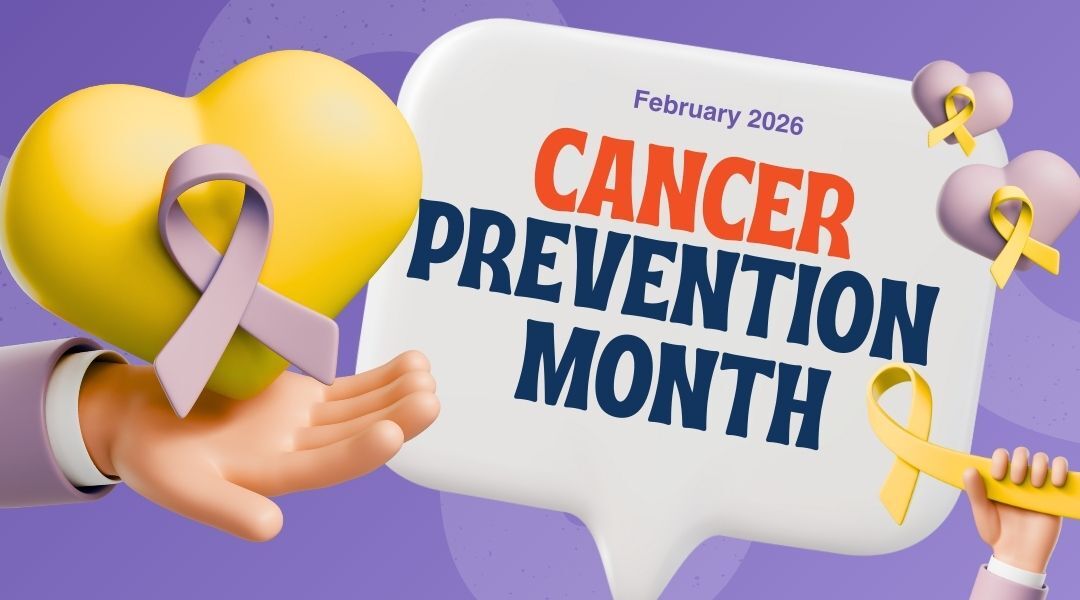
February is National Cancer Prevention Month, a time to focus not only on reducing cancer risks but also on strengthening Childhood Cancer Awareness and improving outcomes for children facing a cancer diagnosis. Families navigating pediatric oncology often encounter medical, emotional, and financial challenges that extend far beyond the hospital walls. Advocacy plays a powerful role in shaping better care, access to resources, and long-term survivorship support. By speaking up, families and supporters help ensure children receive timely diagnoses, lifesaving treatments, and compassionate care that addresses the whole family.
One of the most impactful ways families can advocate for pediatric oncology is by sharing their stories with community leaders and policymakers. Contacting local and state representatives helps elevate the urgent need for increased childhood cancer research funding, family-centered healthcare policies, and expanded mental health services. Families can write emails, attend town halls, or participate in awareness days to ensure pediatric cancer remains a legislative priority. These efforts help drive systemic change that benefits both current patients and future generations.
Families can also support children’s health advocacy by getting involved with local organizations, schools, and community groups. Hosting awareness events, sharing educational resources, and participating in Childhood Cancer Awareness Month activities amplify the voices of children and caregivers alike. Volunteering, fundraising, or simply spreading accurate information about pediatric cancer helps reduce stigma, improve early detection, and foster compassionate support networks within communities.
This February, families, supporters, and community members can take meaningful steps toward helping children with cancer by staying informed, raising awareness, and engaging with policymakers. Whether it’s contacting representatives, participating in advocacy campaigns, or supporting nonprofit organizations, every action strengthens the collective voice of childhood cancer families. Together, we can build a future where every child has access to the care, research, and support they deserve.
